2025 / Legal marketplace
Redejuri: an end-to-end legal marketplace
Brand, product architecture, and interface design for a legal platform connecting clients and lawyers through search, hiring, scheduling, payment, and consultation flows.
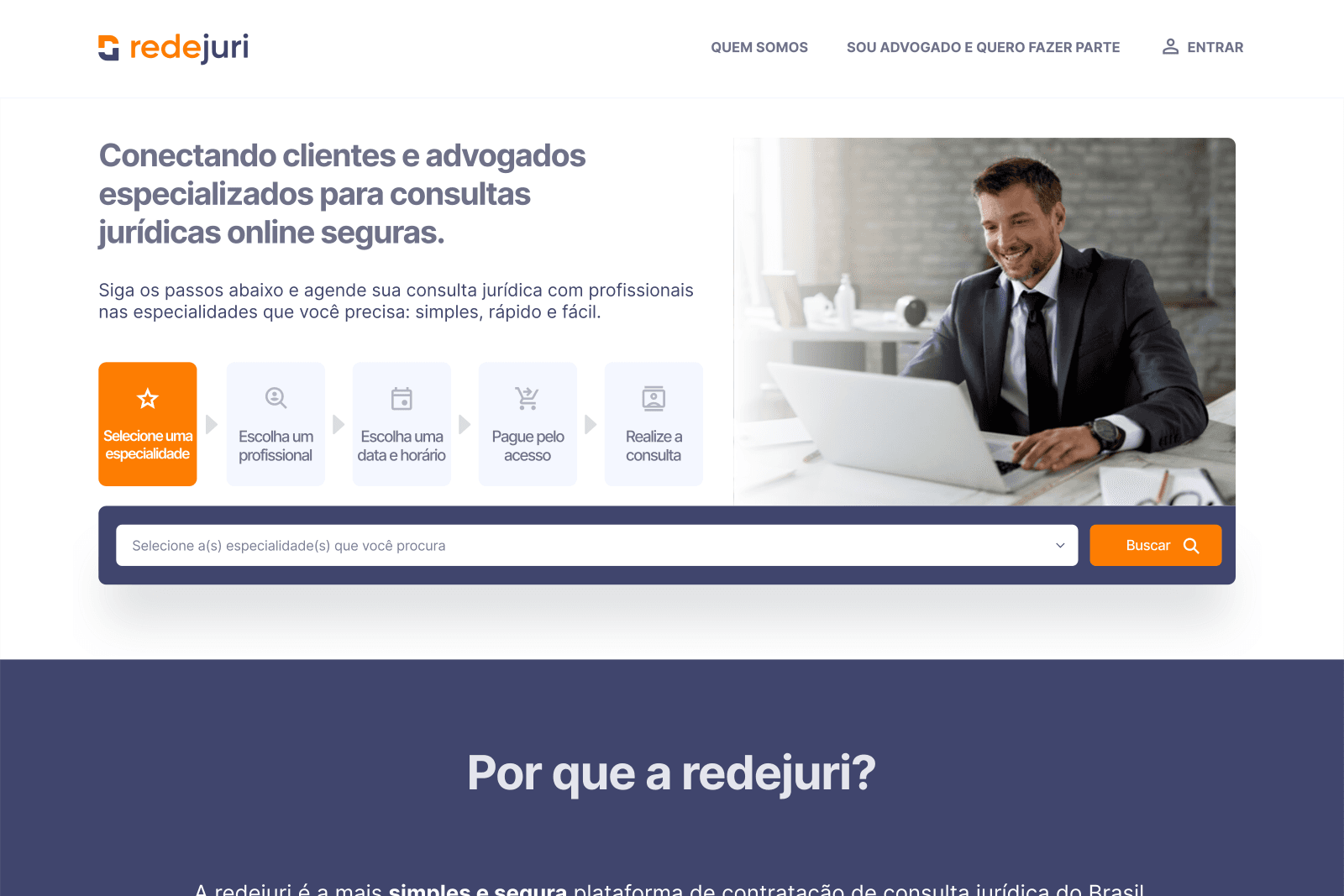
Redejuri started from a common tension in the legal market: clients need to find trustworthy help without already understanding how the sector works, while lawyers need digital presence, an organized calendar, and a more predictable acquisition channel. The product was designed as a legal marketplace, with a service model close to on-demand health platforms but adapted to the sensitivity, language, and trust required by legal services.
I led the brand and product design work as the sole designer. That meant moving from the visual definition of Redejuri into the client, lawyer, and operations journeys, covering the landing page, hiring flow, dashboards, professional profile, calendar, payments, and support surfaces.
From market problem to product
The starting point was easy to explain and harder to solve: hiring a lawyer often involves low transparency, informal referrals, uncertainty around specialization, and friction to book an initial conversation. For the client, the risk is not knowing whether they found the right professional. For the lawyer, the risk is depending on channels that do not scale and do not provide a clear structure for conversion and follow-up.
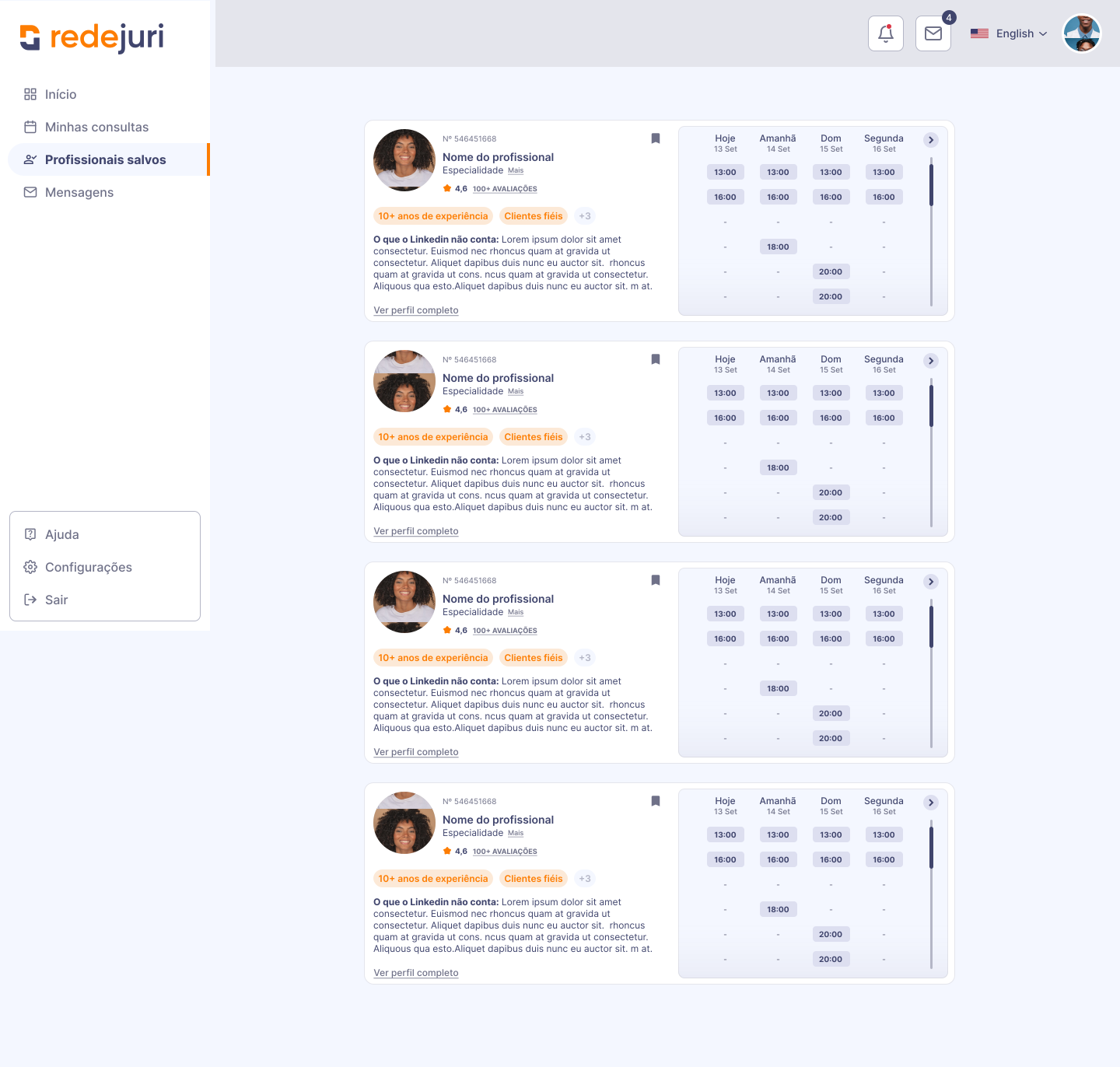
The plan was to organize that exchange into a more predictable journey: choose a specialty, compare professionals, select date and time, pay for access, and attend the consultation. The central decision was to treat the platform as a guided service, not just a directory of profiles.
Acquisition for two audiences at once
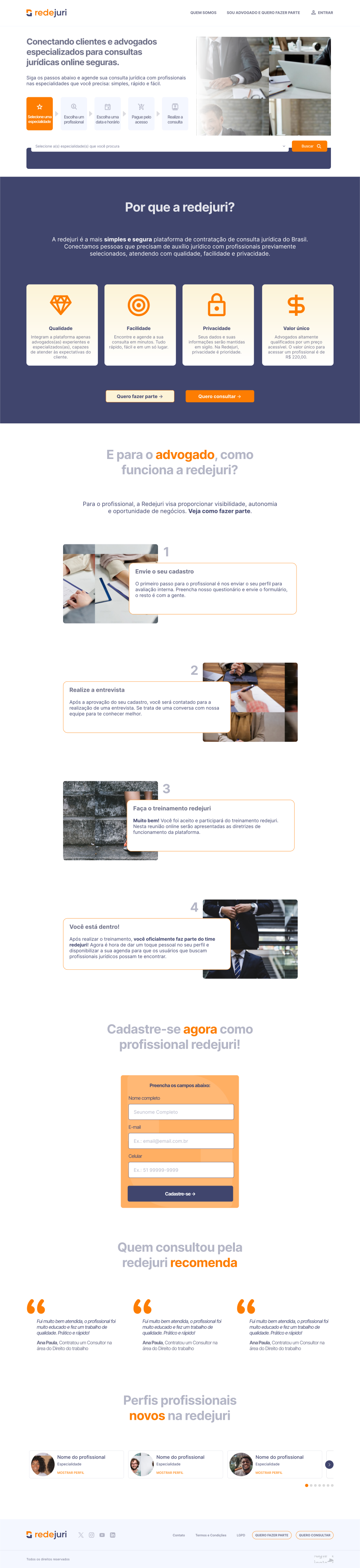
The home page needed to sell the platform to two different audiences without feeling split. For clients, the interface prioritized search by specialty and the booking steps. For lawyers, the page explained how to join the network, go through evaluation, and activate a professional profile.
This helped align growth and operations. The same site needed to capture consultation demand while also attracting qualified supply to keep the marketplace healthy. The communication was structured around four pillars: quality, ease, privacy, and predictable value.
Another point evaluated in the decision to keep both audiences on the same LP was transparency. This way, the potential client becomes aware of the company's communication with its collaborators (and its care with quality - not just anyone gets in), while collaborators see the acquisition process firsthand. This does not prevent the future development of segmented acquisition LPs for each audience.
Hiring as a guided flow
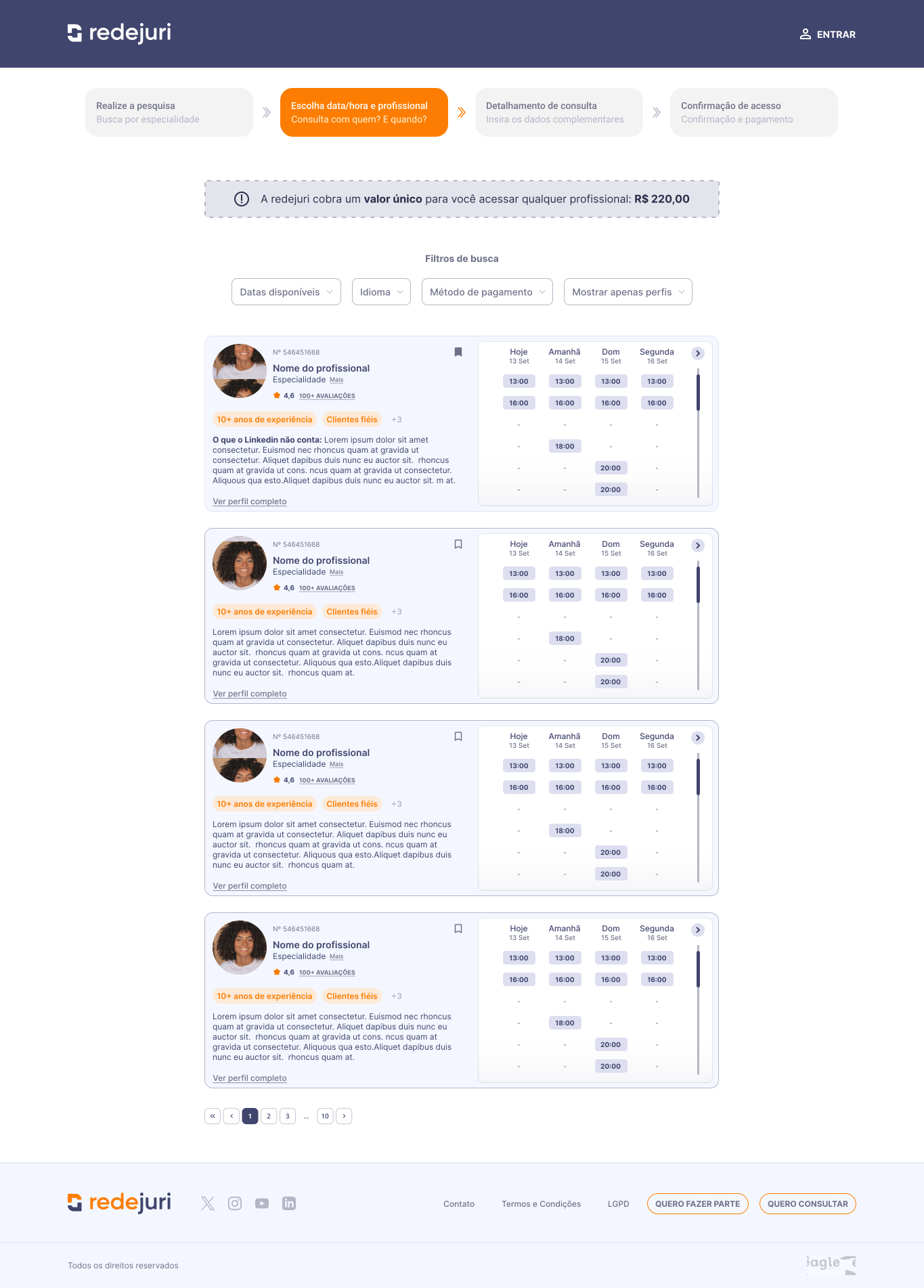
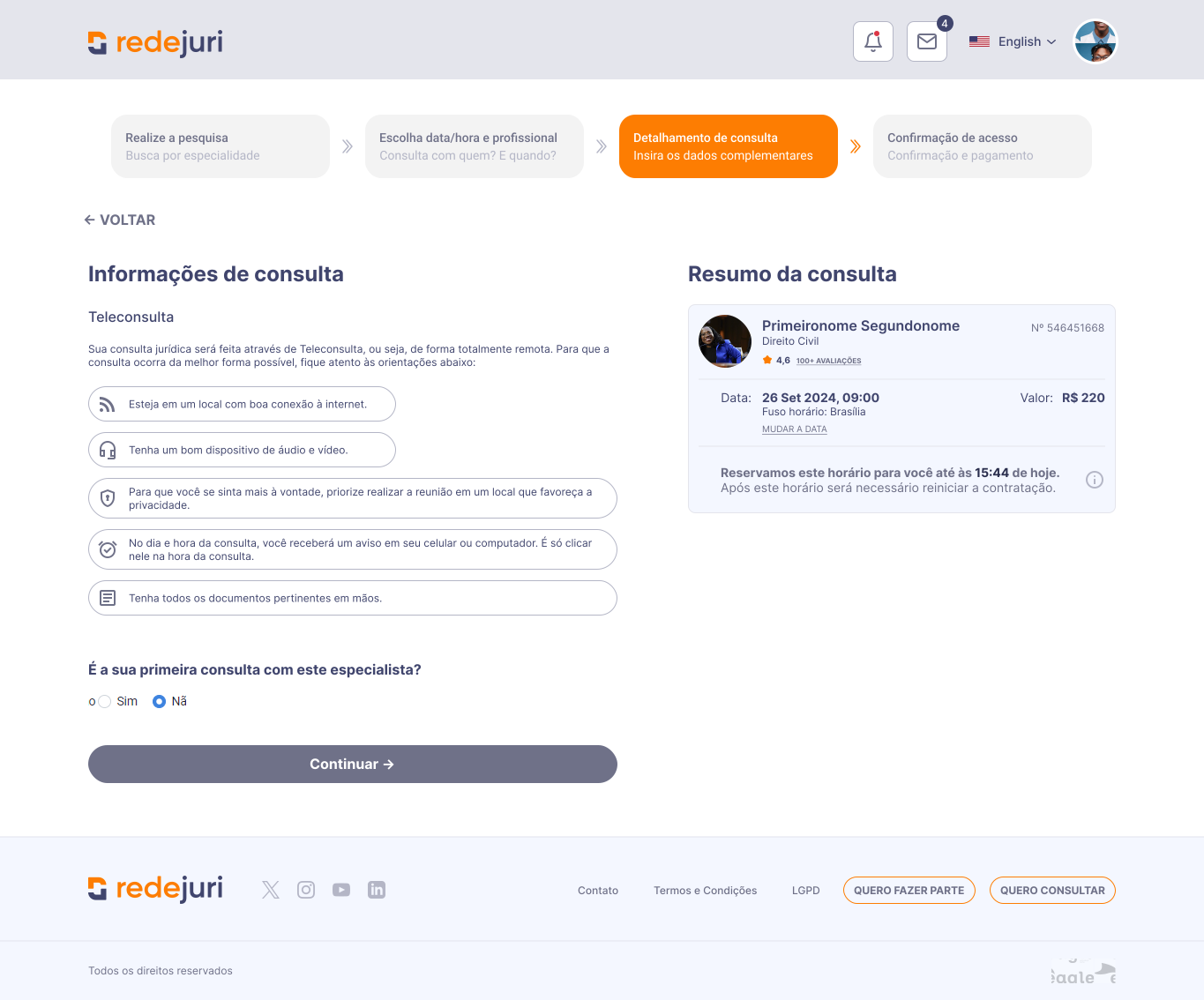
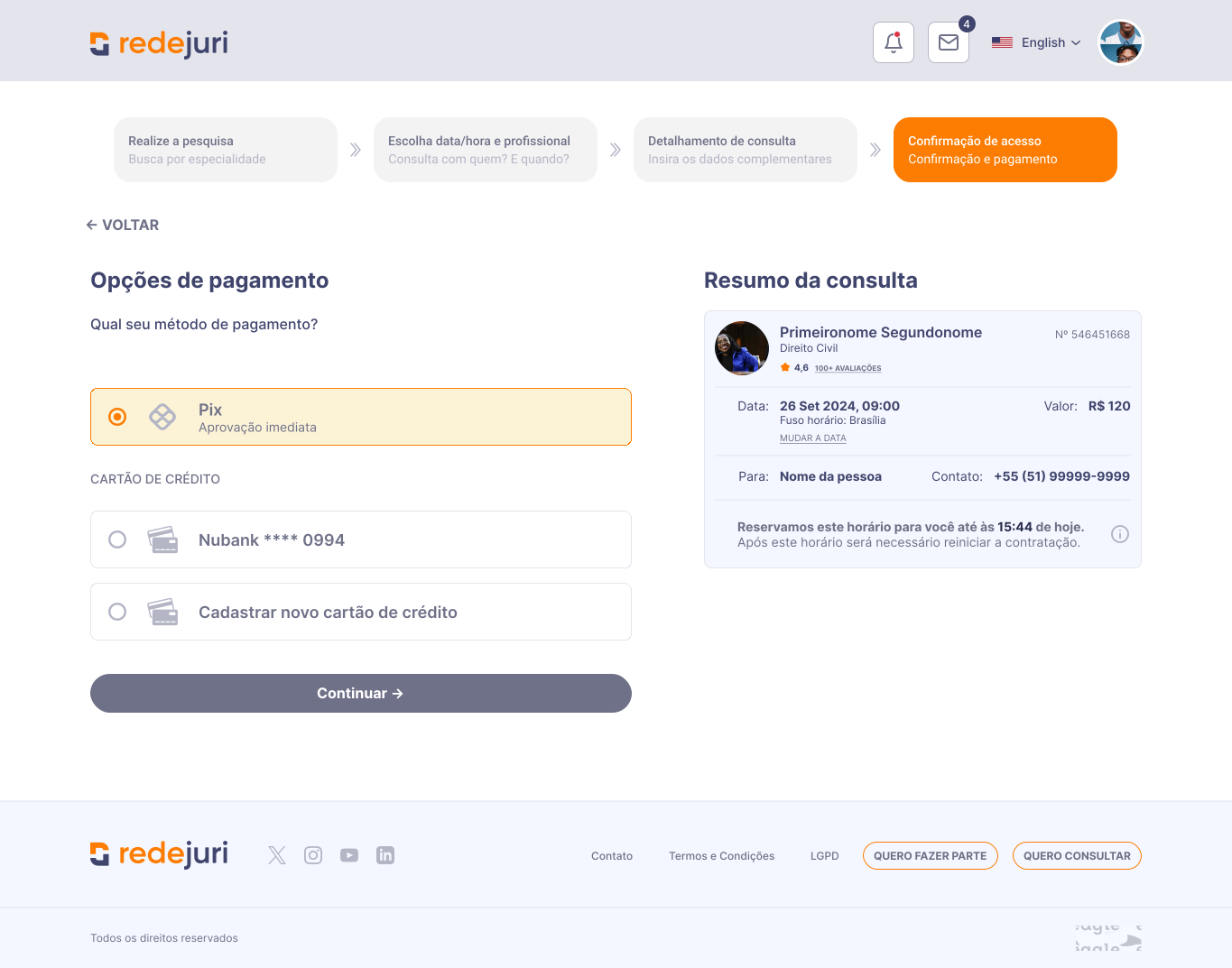
The hiring flow was designed to turn a sensitive decision into a clear sequence of choices. Instead of asking for too much data at the start, the experience began with intent: specialty, professional, date, and time. Only then did it move into details and payment.
The client area as follow-up
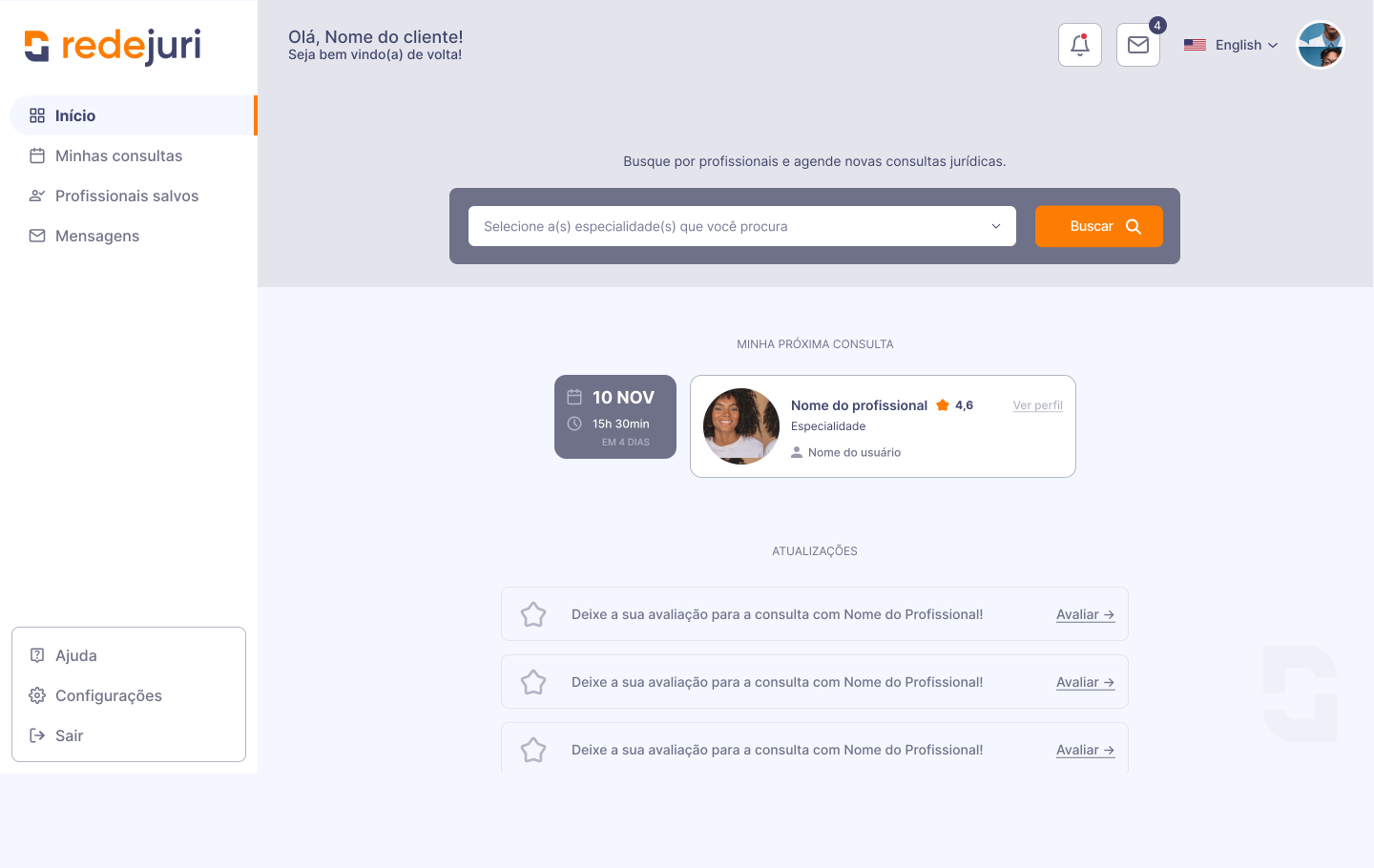
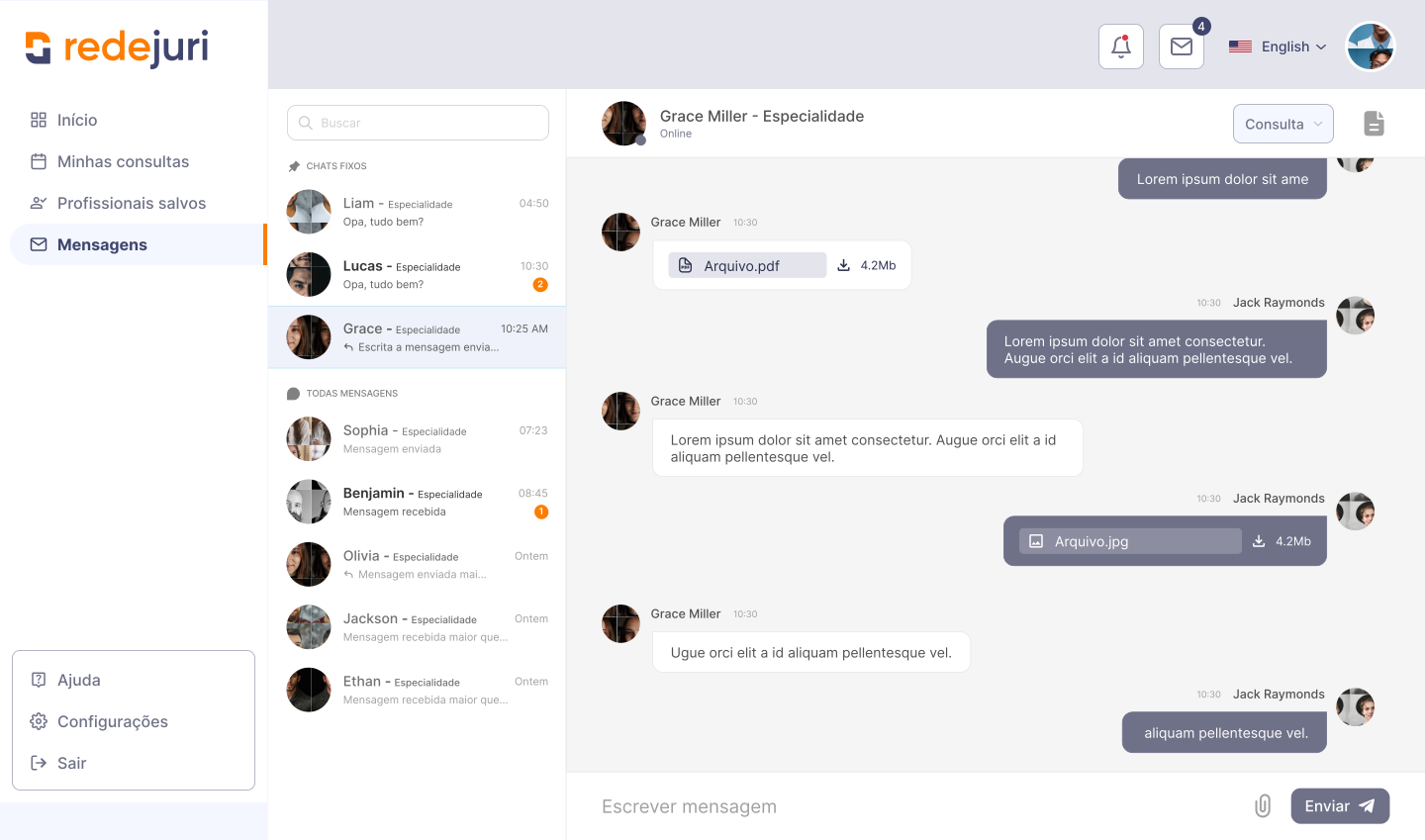
After hiring, the client needed to understand what was scheduled, what was pending, and how to return to messages or documents. The dashboard was designed as a focused private area: next consultation, updates, messages, saved professionals, and history.
The lawyer's operating routine
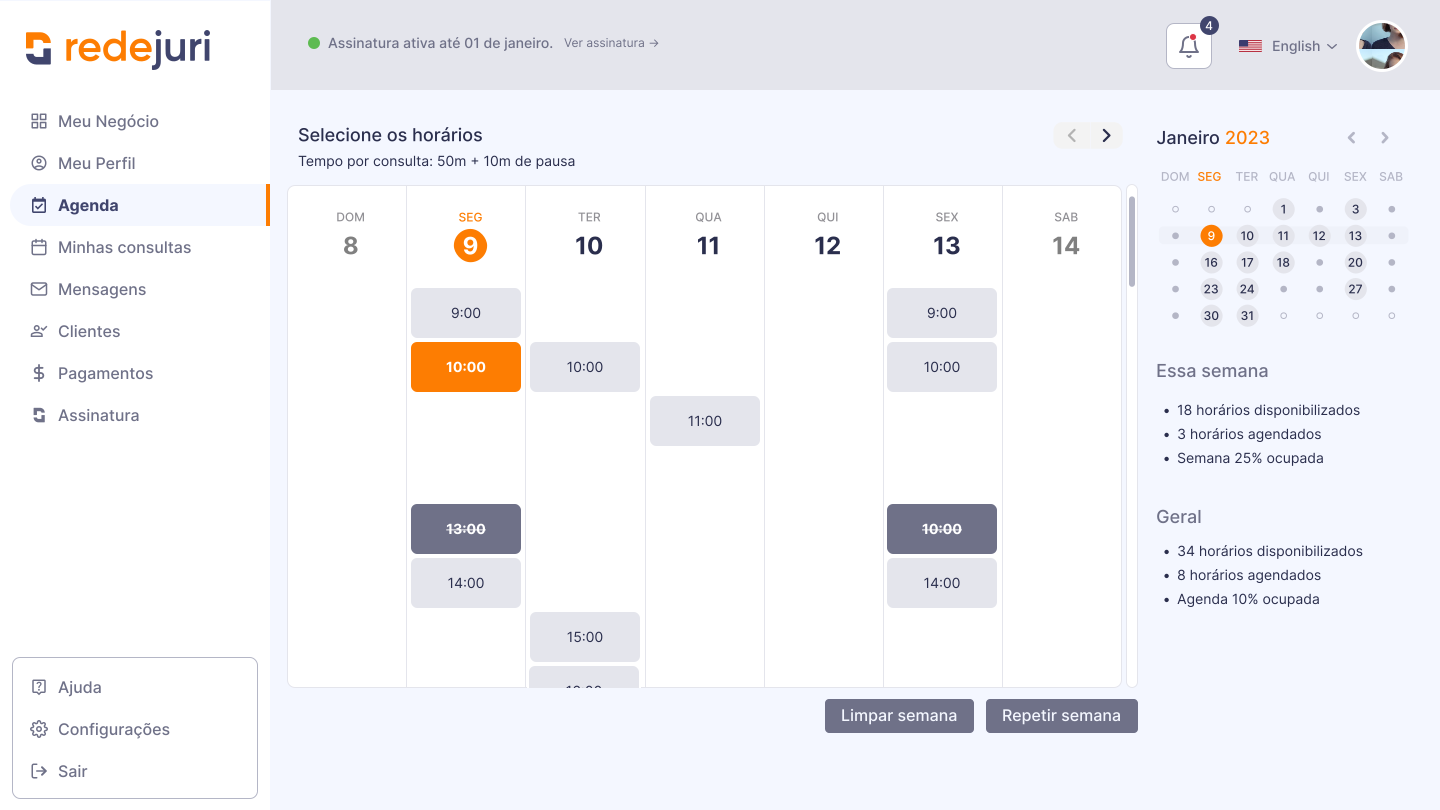
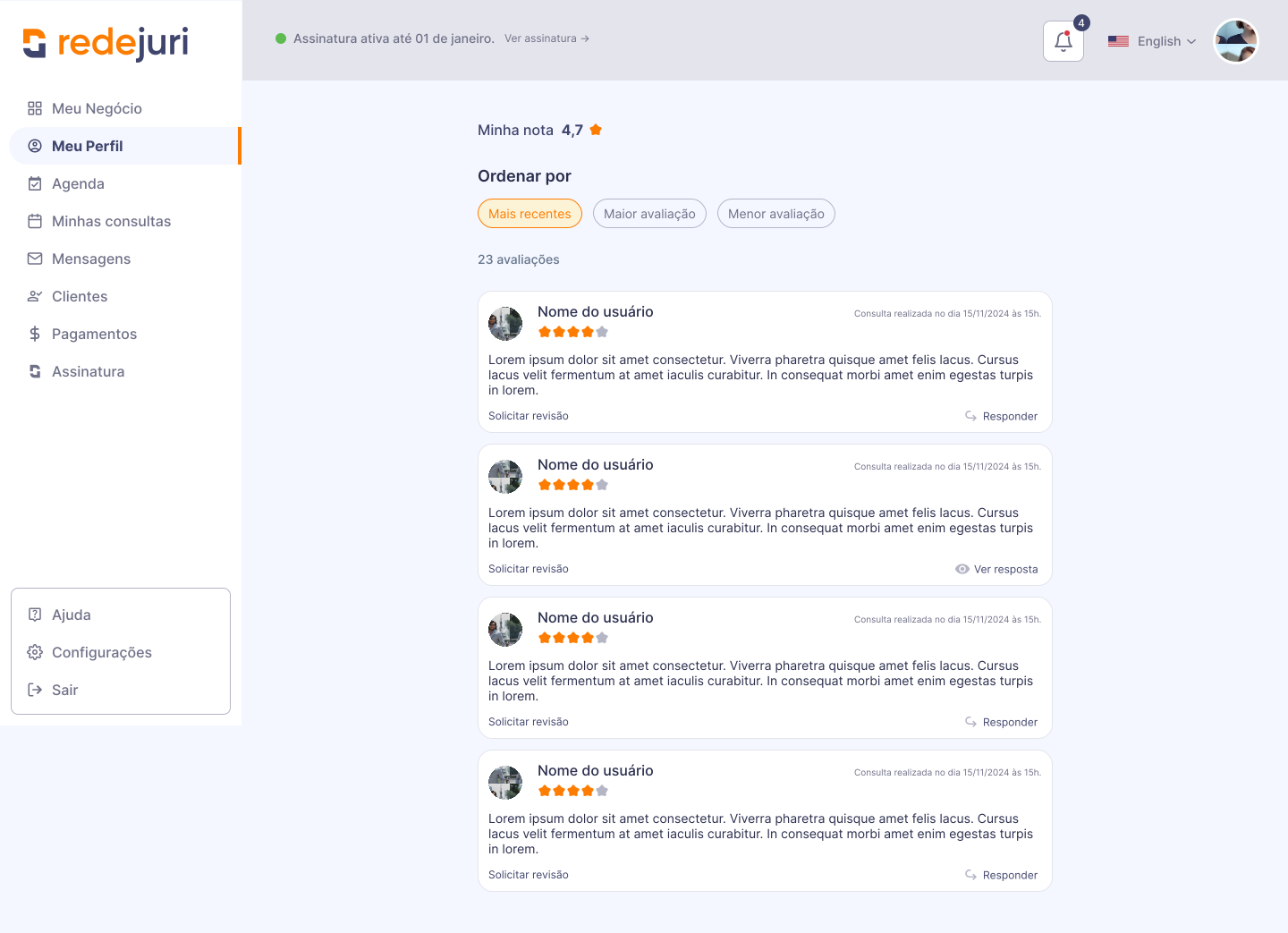
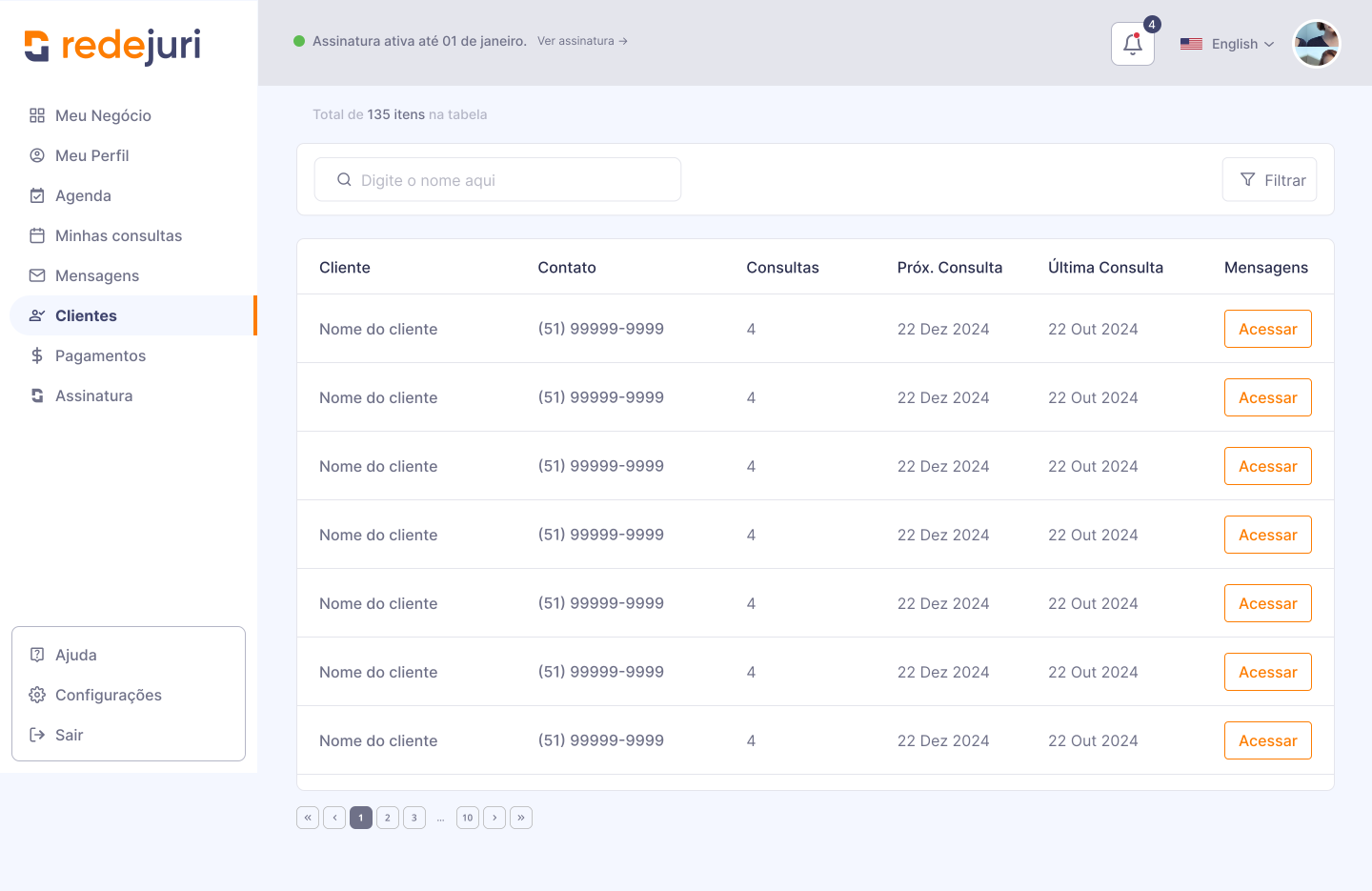
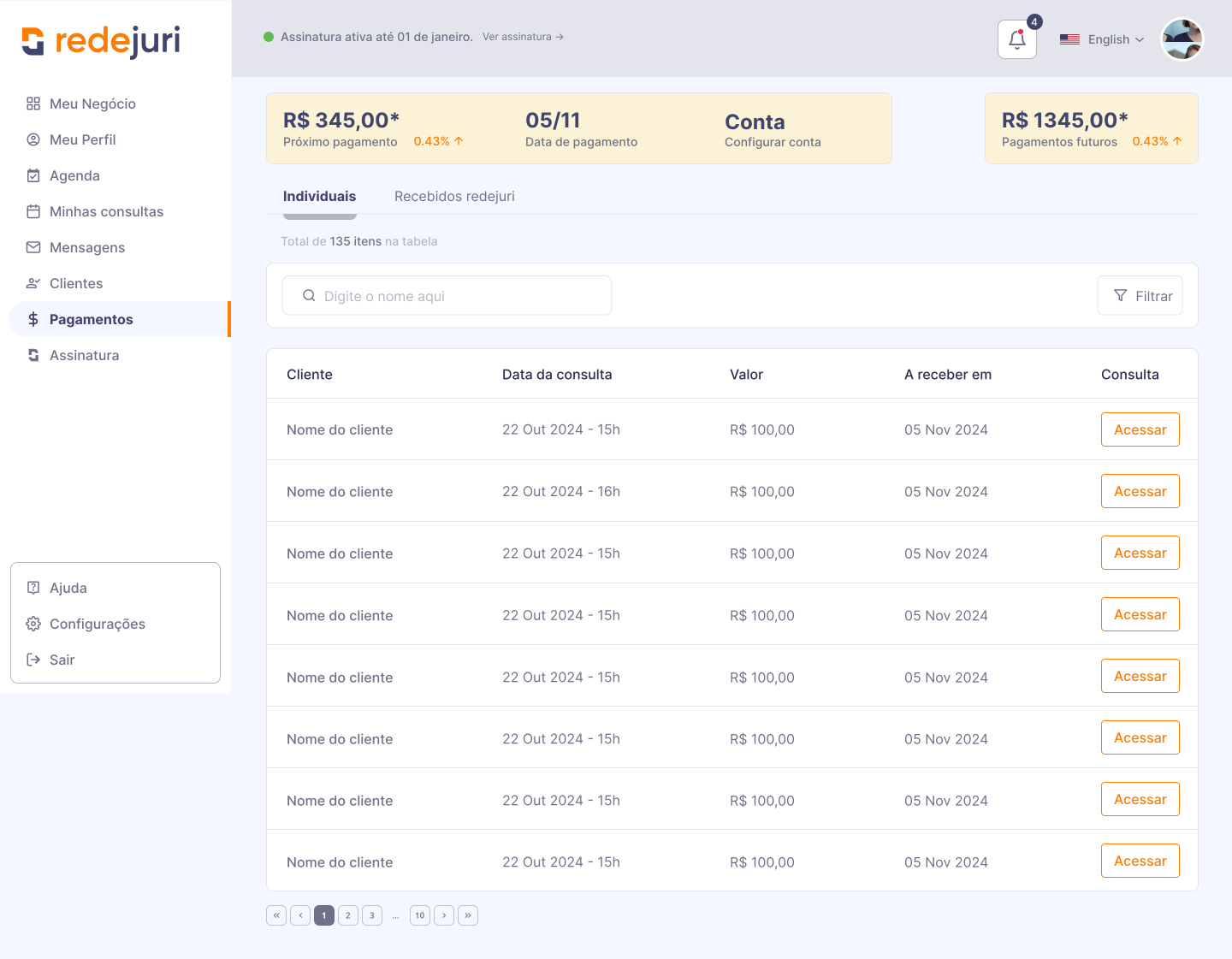
For lawyers, the product needed to work as an operational base, with the calendar as the most important surface: concentrating availability, selected time slots, weekly occupancy, and recurring actions. The public profile, reviews, clients, and payments complete the presence and management layer.
A system built to scale operations
The complexity of Redejuri is not in one isolated screen, but in the connection between roles. Clients, lawyers, and the internal operation have different needs, but the product still needs to feel like one system. That shaped navigation, visual hierarchy, language, and components.
The identity uses a restrained visual base with orange accents for action and conversion. This contrast helps the platform feel close to a trustworthy legal service without losing commercial clarity. At the same time, the dashboards were designed with controlled density: enough information to operate, without the weight of a heavy administrative tool.
Learning
Redejuri was a complete exercise in product ownership. The challenge was not only to design polished screens for a marketplace, but to make the business logic visible in the interface: acquisition, qualification, availability, payment, consultation, and continuous relationship.
The main learning was to treat trust as architecture. In a legal service, trust does not come only from institutional tone. It appears in the order of choices, the clarity of states, predictable payment, access to reviews, and the ability for each person to understand what happens after the click.